
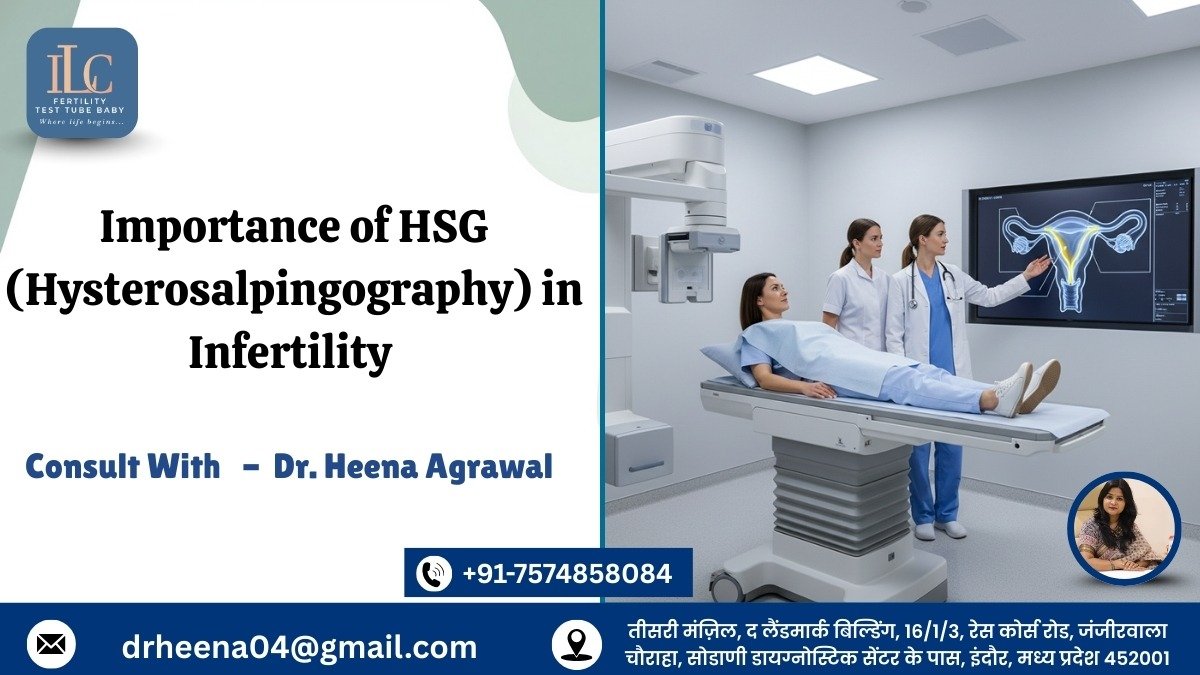
Infertility affects millions of couples worldwide, posing significant emotional and psychological challenges. Understanding the causes of infertility is the first step toward effective treatment, and among various diagnostic tools, Hysterosalpingography (HSG) holds a pivotal role in evaluating female fertility. This radiologic procedure is primarily used to examine the uterus and fallopian tubes, which are critical structures for conception.
What is Hysterosalpingography (HSG)?
Hysterosalpingography is a specialized X-ray technique used to visualize the uterine cavity and fallopian tubes. During the procedure, a contrast dye is gently introduced through the cervix into the uterus, allowing radiologists to observe the flow of dye through the uterus and fallopian tubes under fluoroscopy (real-time X-ray imaging). The procedure typically takes about 15-30 minutes and provides vital information regarding the anatomy and patency (openness) of the reproductive tract.
Why is HSG Important in Fertility Evaluation?
Assessment of Fallopian Tube Patency:
Blocked or damaged fallopian tubes are a common cause of female infertility. Since fertilization occurs within the fallopian tubes, any obstruction can prevent the egg and sperm from meeting. HSG helps detect tubal blockages, enabling targeted treatments such as tubal surgery or assisted reproductive techniques like IVF.
Evaluation of Uterine Abnormalities:
Structural abnormalities in the uterus, such as uterine fibroids, polyps, adhesions (Asherman’s syndrome), or congenital malformations (e.g., septate uterus), can hinder implantation and increase miscarriage risk. HSG allows for visualization of the uterine cavity, helping identify these issues.
Guiding Treatment Plans:
By revealing the exact site and nature of abnormalities, HSG aids gynecologists in planning appropriate interventions. For instance, if a blockage is detected, surgical correction might be considered; if the tubes are healthy, fertility treatments can proceed accordingly.
Therapeutic Benefits:
Interestingly, some studies suggest that the passage of contrast dye during HSG might improve fertility . The flushing action could clear minor tubal debris or mucus plugs, potentially increasing the chance of conception in the following cycles.
When is HSG Recommended?
HSG is generally recommended for women who:
- Have unexplained infertility after initial evaluation.
- Have a history of pelvic infections, ectopic pregnancy, or pelvic surgery.
- Are undergoing evaluation before fertility treatments like intrauterine insemination (IUI) or IVF.
- Have irregular menstrual cycles or suspected uterine abnormalities.
It is typically performed shortly after menstruation, before ovulation, to minimize the risk of disrupting an early pregnancy and to ensure the uterine lining is thin for better imaging.
Hysterosalpingography remains a cornerstone in the diagnostic workup of female infertility. By providing clear insights into the uterine and tubal anatomy, it helps identify treatable causes of infertility and guides personalized treatment strategies. For couples struggling to conceive, HSG offers hope by pinpointing problems that might otherwise remain hidden, paving the way for successful pregnancy outcomes.