The development of an embryo is a remarkable and complex biological process that transforms a single Fertilized egg into a fully formed organism. This journey, known as embryogenesis, involves a series of well-orchestrated stages including cell division, differentiation, and morphogenesis. Understanding embryonic development is crucial in fields such as developmental biology, medicine, and reproductive health.
1. Fertilization: The Starting Point
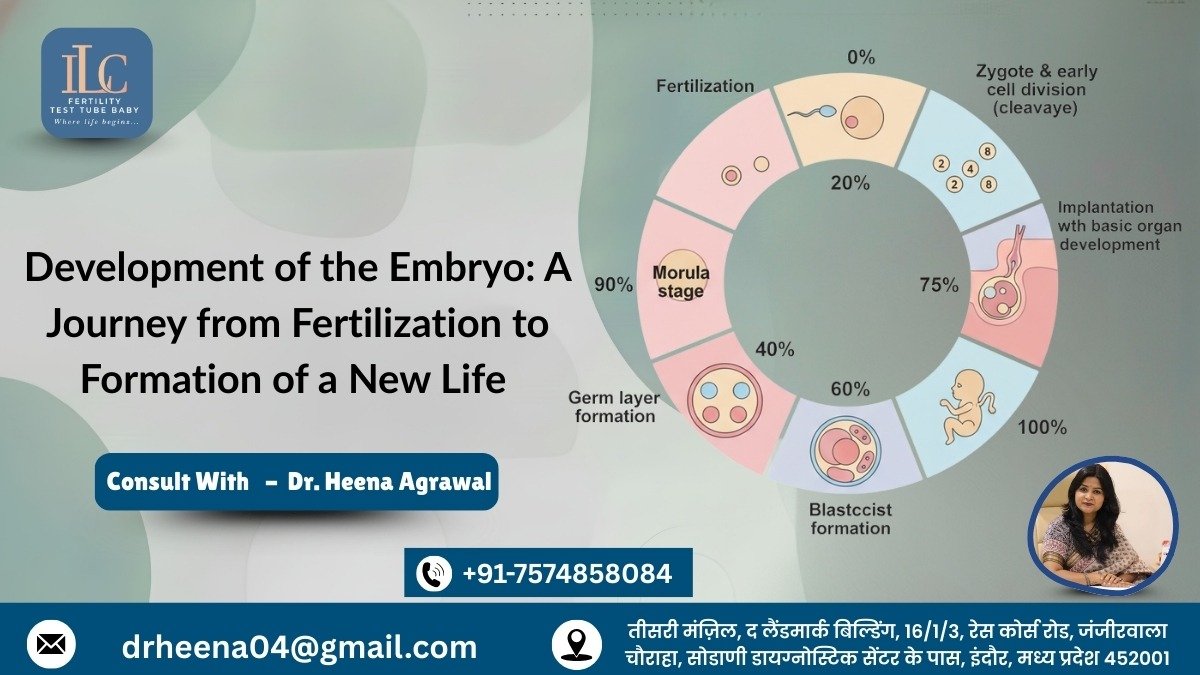
The process begins with fertilization, where a sperm cell from the male unites with an ovum (egg cell) from the female. This fusion creates a single cell called a zygote, containing a complete set of chromosomes—half from each parent. Fertilization restores the diploid number of chromosomes and triggers the first steps of development.
2. Cleavage: Rapid Cell Division
Soon after fertilization, the zygote undergoes a series of rapid mitotic divisions called cleavage. Unlike typical cell division, cleavage increases the number of cells without increasing the overall size of the embryo. These cells, known as blastomeres, become smaller with each division. The result of cleavage is a solid ball of cells called the morula.
3. Blastulation: Formation of the Blastocyst
Next, the morula transforms into a blastocyst, a hollow structure with a fluid-filled cavity called the blastocoel. The blastocyst has two distinct cell groups: the inner cell mass (which will develop into the embryo) and the trophoblast (which will form the placenta). At this stage, the embryo is ready for implantation into the uterine wall.
4. Gastrulation: Establishing the Three Germ Layers
Following implantation, the embryo undergoes gastrulation, a critical phase where the single-layered blastula reorganizes into a multilayered structure with three primary germ layers:
- Ectoderm: Gives rise to the skin, nervous system, and sensory organs.
- Mesoderm: Forms muscles, bones, the circulatory system, and internal organs.
- Endoderm: Develops into the lining of the digestive and respiratory systems.
- Gastrulation sets the foundation for all tissues and organs.
5. Neurulation: Formation of the Nervous System
One of the earliest organs to develop is the nervous system, which begins forming during neurulation. The ectoderm folds to form the neural tube, which later becomes the brain and spinal cord. This process is crucial for the development of the central nervous system.
6. Organogenesis: Formation of Organs
Following the establishment of germ layers and the nervous system, the embryo enters organogenesis, where cells differentiate and organs begin to form. The heart starts beating, limbs develop, and facial features emerge. This period is critical as the embryo is highly sensitive to environmental factors that can cause congenital anomalies.
7. Fetal Development and Growth
After organogenesis, the embryo is referred to as a fetus. During fetal development, the organs mature, and the body grows in size. This stage continues until birth, with complex physiological functions becoming established.
The development of the embryo is a finely tuned process guided by genetic and environmental factors. From a single fertilized cell, an intricate organism forms through stages of division, differentiation, and specialization. Advances in understanding embryonic development have profound implications in medicine, helping address infertility, congenital disorders, and regenerative therapies.